
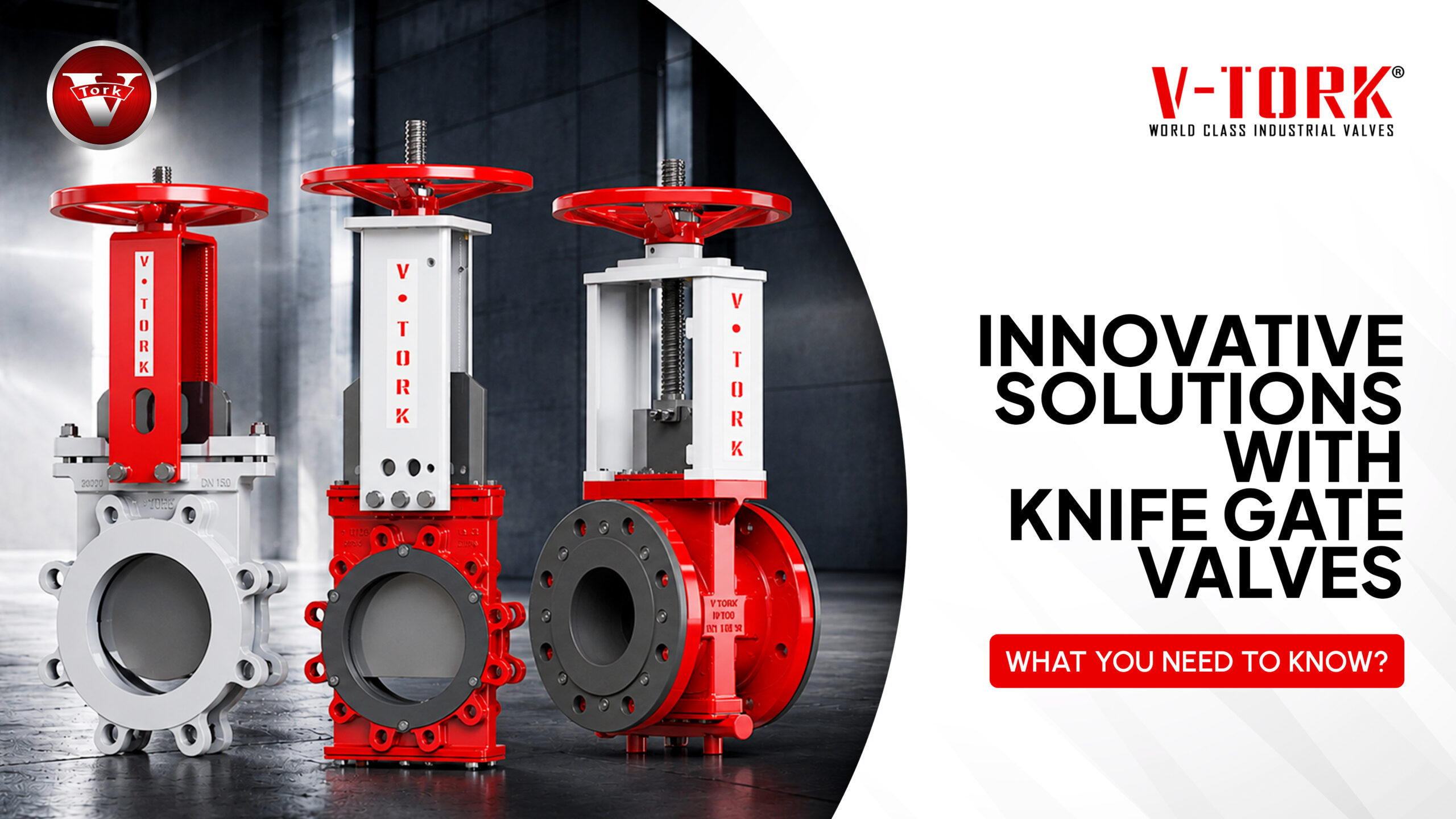
Innovative Solutions with Knife Gate Valves: What You Need to Know
- Knife gate valves provide reliable isolation for slurry and abrasive media.
- Proper knife gate valve parts improve sealing, durability, and service life.
- Experienced knife gate valve manufacturers ensure the selection of application-specific valves.
Why Knife Gate Valves Matter in Industrial Flow Control
Knife gate valves are made to withstand rough handling such as those involving slurries, pulp, suspended solids, and corrosive fluids. The way these valves are made, they seal and choose the material are some main points that will affect how long the valve will isolate the flow, how much maintenance you need to do, and overall valve service life.
For engineering and procurement teams, it is vital to judge knife gate valve manufacturers by their experience in application, material choice, testing capabilities, and technical support in order to ensure the plant continues working without any failure.
The Engineering Principle Behind Knife Gate Valves
Cutting Through Difficult Media
A knife gate valve uses a sharp-edged gate that moves linearly through the flow path. This gate moves in a straightforward direction against the media. Such a mechanism enables the gate to slice solid particles, fibers, or highly viscous media during the valve closing stage. Therefore, the valve is ideal in applications where traditional valves may be rendered ineffective.
Maintaining an Unobstructed Flow Path
When the valve is fully open, the gate slides away from the flow passage and creates an unobstructed flow bore. This helps media with a high solids content or viscosity to be transported efficiently while at the same time limiting unnecessary restrictions in the pipeline.
Selecting the Right Configuration
In addition to the valve design itself, various other factors such as flow direction, pressure, media properties, sealing type, and frequency of use contribute directly to performance. It is a wise idea to analyze all of them together before deciding on the right configuration.
Uni-Directional vs. Bi-Directional Knife Gate Valves
Not every knife gate valve is designed for the same flow conditions. Uni-directional and bi-directional configurations differ primarily in their sealing arrangements and intended flow direction.
| Type | Flow Direction | Sealing Mechanism | Application Consideration |
| Uni-Directional | Single defined direction | Metal/Resilient downstream seats | Suitable for systems with consistent flow direction |
| Bi-Directional | Either direction | Peripheral/Dual-Face sealing | Suitable where flow reversal may occur |
Choosing between these configurations affects sealing integrity, seat wear, operational reliability, and maintenance requirements.
Understanding Knife Gate Valve Parts
The performance and service life of a valve depend significantly on the quality and compatibility of its individual components. Understanding the parts of a key knife gate valve helps teams evaluate the complete assembly rather than focusing on the valve body alone.
| Component | Primary Function | Common Material Options |
| Gate | Cuts through the media and provides primary shut-off | SS 304, SS 316, SS 316L, Duplex 2205, Duplex 2507, etc. |
| Seat | Provides the sealing interface with the gate | Metal Seat, Replaceable Metal Seat, Resilient Seat, Polyurethane Cartridge |
| Body | Provides structural support and determines maintenance accessibility | Bonneted, Bonnetless, One-piece, Two-piece, Glandless |
| Packing & Gland Assembly | Maintains stem sealing and controls leakage | Application-specific packing grades like PTFE, Graphite, Ceramic, Spiral wound etc. |
Material selection should be based on pressure, temperature, media characteristics, specific gravity, abrasion, and corrosion requirements.
Industrial Applications of Knife Gate Valves
Knife gate valves are used across several process industries where conventional flow isolation solutions may not provide the required performance.
| Industry | Typical Media | Primary Requirement |
| Power Generation | Fly ash, bottom ash slurries | Reliable isolation and solids handling |
| Metal & Mining | Ore slurries, tailings, process water | Abrasion resistance and full-bore flow |
| Paper & Pulp | Thick pulp stock, black liquor | Reliable shut-off and corrosion resistance |
| Water & Sewerage Treatment | Raw sewage, chemical effluents | Full-throat flow and chemical compatibility |
| Cement & Sugar | Abrasive dry and wet media | Durable gate and seat surfaces |
| Chemical & Fertilizer | Process chemicals | Automation compatibility and material suitability |
What to Look For in Knife Gate Valve Manufacturers
The evaluation of a valve manufacturer should cover more than just the range of products offered. Aspects such as traceability of materials used in production, precise manufacturing measurements, compliance with standards like the MSS SP, AWWA or equivalent requirements, service pressures, actuation compatibility, and the availability of spare parts should be part of your list.
Quality Assurance and Testing
You should know that quality is one of the most important factors in valve manufacturing. For example, there must be strict quality control at every stage of production, including checks against specified requirements. Hydrostatic performance will also be tested before a product is shipped.
Application-Specific Engineering
Genuine technical help is an added value. A valve vendor who knows how your facility works must also advise on the choice of valves in order to fit all the needs of the application, even if the design and the material require change. In this case, it may mean a liner for corrosive media, face-to-face size adjustment for retrofit work, and actuator-ready set-ups for automatic operation, etc.
Choosing the Right Knife Gate Valve Supplier
Selecting reliable knife gate valve suppliers is equally important because technical support can influence the success of valve selection and integration.
Technical Support
An expert valve provider not only knows how to valve your systems, but will also give you the best advice on matching the valve configuration, materials, and seal to your system requirements, along with help with the device’s actuation.
Spare Parts and Service Support
Having spare parts to replace any worn or damaged components quickly and without disruption of services is a major point in the maintenance planning strategy of facilities.
Final Thought
Knife gate valves should not be treated as generic flow-control commodities. Every specification, from material grade and seat configuration to body design and actuation, can influence process reliability, maintenance requirements, and service life.
At V-Tork Controls, we apply application-focused engineering to valve solutions designed for demanding industrial environments. By evaluating process conditions and selecting the appropriate configuration and components, we help industries achieve dependable flow isolation and long-term operational performance.
If your application requires technically appropriate knife gate valve solutions, connect with our team to discuss the configuration, materials, and performance requirements suited to your process.