
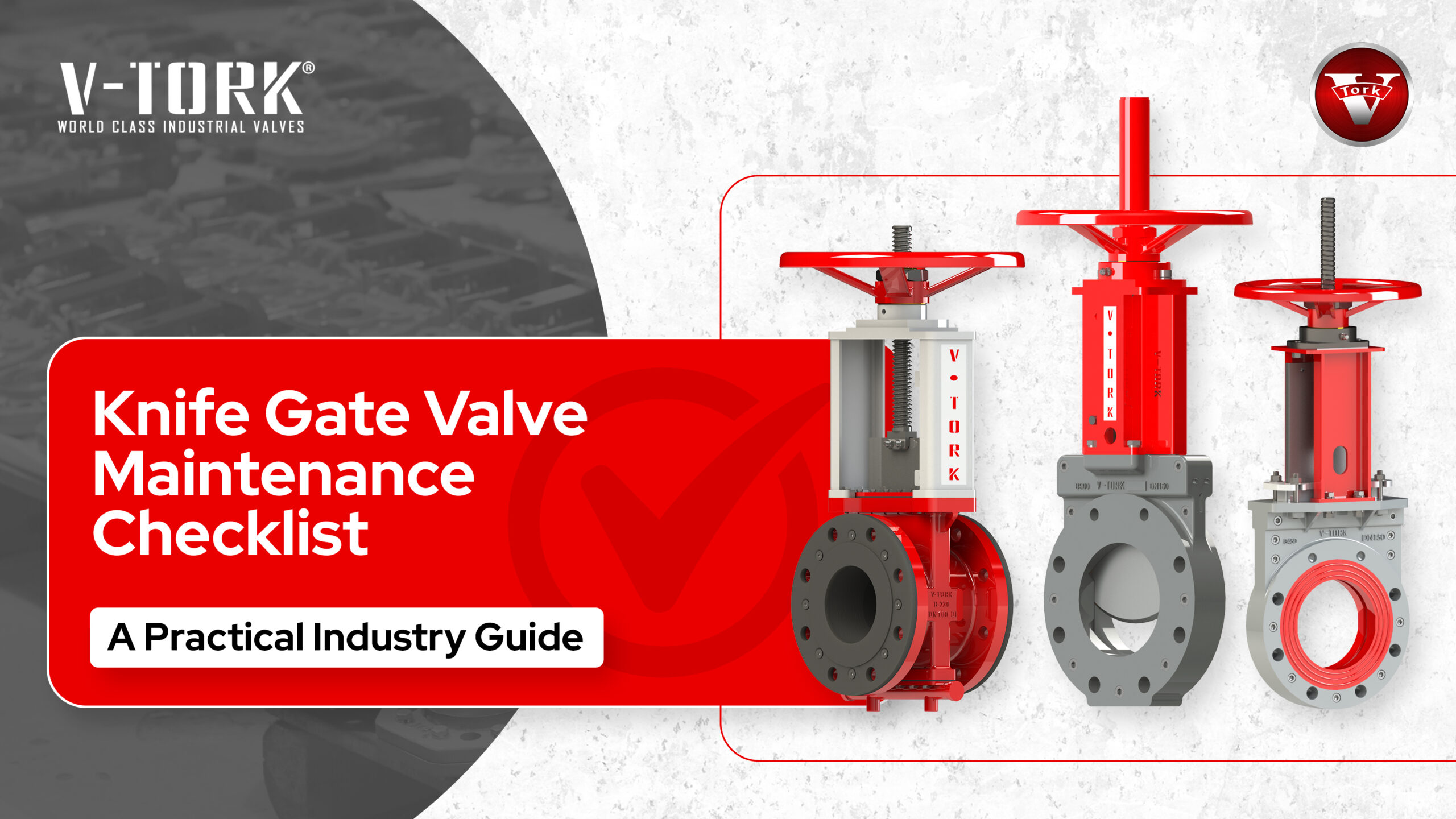
Knife Gate Valve Maintenance Checklist: A Practical Industry Guide
Reliability is a paramount in all industrial settings. Valves processing abrasive media, thick fluids and high cycle processes need regular maintenance to operate effectively. The knife gate valve is significant in fields like mining, power generation, wastewater treatment, pulp and paper field. Formulated maintenance schedule not only helps avoid the unexpected failures but also increases the life cycle of service and minimises downtime costs.
This guide outlines a clear, field-specific checklist to maintain safe and smooth operation of systems.
Why Regular Valve Maintenance Matters
Industrial valves frequently work under very harsh conditions – exposed to corrosive chemicals or slurries or high pressures. This is where wear may be expedited. Unless the maintenance of gate valves is undertaken in a disciplined manner, organizations run a risk of:
- Fluid wastage and environmental hazards.
- Increased actuator strain
- Unplanned shutdowns
- Higher replacement costs
Preventive care and routine inspections ensure continuous operations and adherence to regulations.
Pre-Maintenance Safety Checklist
Before beginning any work, safety must come first.
1. Isolate the Valve – Ensure the line is depressurized and emptied. Tagout/lockout should be very strictly observed.
2. Check Temperature Conditions – Make sure that the valve body has cooled down in case it has been in contact with hot media.
3. Wear Proper PPE – Technicians must put on gloves, eye protection, and chemical-resistant clothing as required.
4. Confirm Documentation – Visualize the manufacturer’s manual and the past maintenance records that have been written to familiarize with the known issues.
Visual Inspection Steps
An extensive visual examination usually uncovers the warning signals.
- Test External Leakage: Check the packing area, flange joints and body seams. The slightest seepage is an indication of packing wear.
- Check the Body and Gate: The surface area can be corroded or scored or accumulated, which can be checked as it can impact performance.
- Assess Actuator Condition: For automated systems, check the actuator housing, air lines and electrical connections.
- Clear Deposits: Remove solids accumulated around the seat area for slurry knife gate valves as it is common in slurry applications.
Internal Inspection Checklist
Scheduled shutdowns provide the best opportunity for deeper inspection.
1. Examine the Gate Surface
Remove the valve (if required) and inspect the gate for:
- Scratches or grooves
- Edge damage
- Coating wear
A smooth gate surface is essential for tight shutoff.
2. Inspect the Seat and Seals
Look for deformation, hardening, or erosion. In abrasive services, seat wear is one of the most frequent failure points.
3. Check Packing Condition
Packing should remain flexible and properly compressed. Replace it if you notice:
- Persistent leakage
- Dry or brittle material
- Uneven compression
Packing adjustment or replacement is a regular practice in the Knife gate valve maintenance schedule.
Cleaning and Lubrication
When the valves are clean, their lifespan can be enhanced significantly.
- Clean the Valve Cavity: Rinse the valve cavity with a suitable cleaning agent. Do not use equipment that may scratch sealing surfaces.
- Lubricate Moving Parts: Lubricate moving parts with manufacturer-approved lubricants: Stem threads, Bearings, Actuator linkages.
- Increase Frequency of Slurry: In systems handling abrasive mixtures, such as a slurry knife gate valve, lubrication frequency should be increased to counteract particle-accelerated wear.
Operational Testing
After reassembly, functional testing is essential.
- Cycle the Valve: Open and close the unit several times to verify smooth travel.
- Check Torque or Thrust Levels: Unusual resistance may indicate internal obstruction or misalignment.
- Verify Shutoff Performance: Confirm there is no downstream leakage under normal operating pressure.
- Document Results: Record all readings for future comparison.
Preventive Maintenance Schedule
A structured timeline keeps equipment reliable.
Daily / Weekly
- Visual leak check
- Actuator air or power verification
- Position indicator confirmation
Monthly
- Packing gland inspection
- Fastener tightness check
- Stem lubrication
Quarterly or Semi-Annual
- Internal inspection
- Seal condition review
- Performance testing
Leading Knife gate valve manufacturers should always have application-specific maintenance intervals for follow-ups to ensure that it sticks to their schedule.
Common Problems and Quick Fixes
Even with good practices, issues can arise. Here are frequent problems and solutions.
Leakage through packing
- Tighten gland nuts evenly
- Replace worn packing if adjustment fails
Valve not fully closing
- Check for debris in the seat
- Inspect gate alignment
- Verify actuator stroke length
Excessive operating force
- Lubricate stem
- Check for seat damage
- Inspect actuator sizing
Working closely with reliable Knife gate valve manufacturers may assist in finding root causes earlier besides providing genuine parts of replacement.
When to Repair vs. Replace
Maintenance teams often face the repair-or-replace decision.
Repair when:
- Damage is limited to packing or seals
- Gate surface can be refinished
- Actuator components are serviceable
Replace when:
- Body is cracked or severely corroded
- Seat pocket is heavily worn
- Lifecycle cost exceeds replacement value
Consult experienced suppliers such as V-Tork Controls when evaluating long-term reliability versus repair costs.
Best Practices from Industry Experts
To maximize valve life:
- Maintain proper installation alignment
- Avoid throttling unless the valve is designed for it
- Use compatible materials for the process media
- Keep detailed maintenance records
- Train personnel regularly
Industry leaders like V-Tork Controls emphasize that disciplined preventive care often doubles the service life of severe-duty valves.
Final Thought
To conclude, in the mining, power, wastewater, or process industries, teams that prioritize systematic care of their knife gate valve installations consistently perform at a higher level and reduce overall ownership costs. You will keep your flow systems running efficiently for years to come through regular reviews, using the correct spare parts, and working with top knife gate manufacturers like V-Tork Controls.